
The premier international honor society for undergraduate and graduate students and professors of history
600,000
Active members worldwide
9,000
Growing every year
1000+
In Our Network
Phi Alpha Theta (ΦΑΘ) is an American honor society for undergraduate and graduate students and professors of history. The society has over 600,000 members, with some 9,000 new members joining each year through 970 chapters nationwide.
Phi Alpha Theta was established on March 17, 1921 at the University of Arkansas by Professor Nels Cleven. Cleven had become convinced at the time at the university that a fraternity of scholars (which would accept men or women) was important for the study of history. He invited students to a meeting to form the society (then called “The University Historical Society”) on March 14, and the society was officially recognized on the 17th. In April, the decision was made for the society to be known by the Greek letters Phi Alpha Theta.

Explore our rich history, mission, membership benefits, and the dedicated team that leads our community
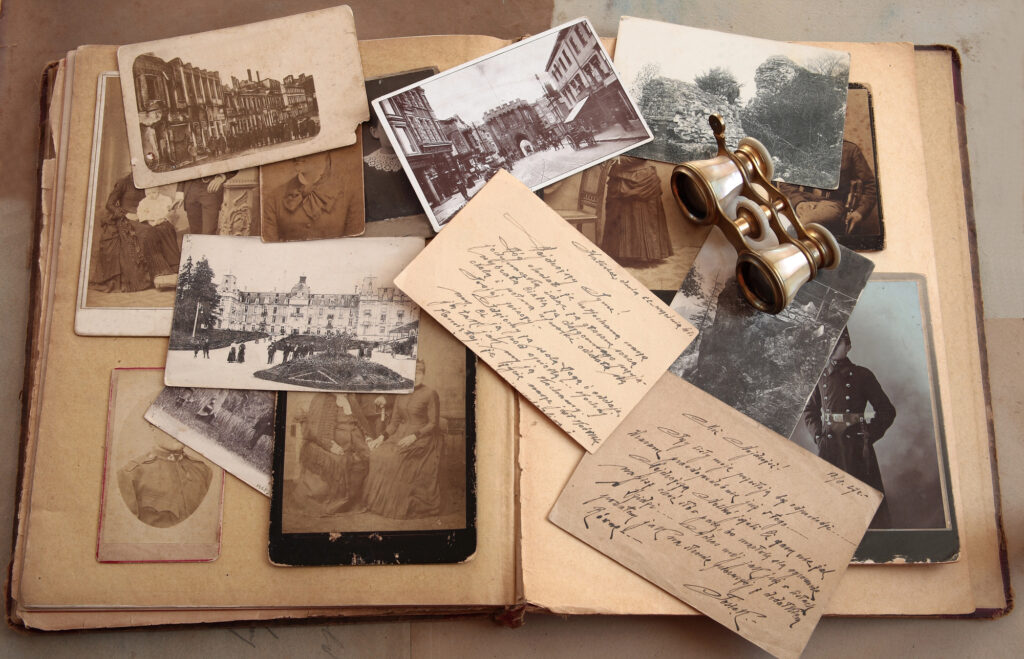
Explore the rich history and evolution of Phi Alpha Theta from it's founding in 1921 to today's global presence
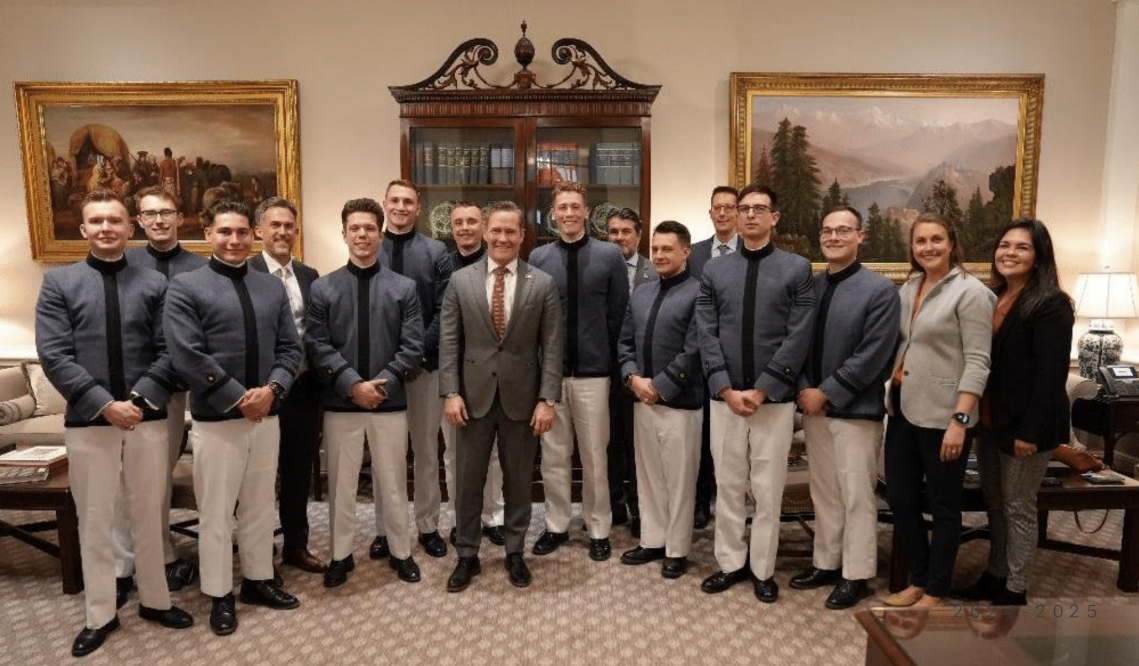
Learn about our commitment to promoting excellence in historical scholarship and fostering academic community.
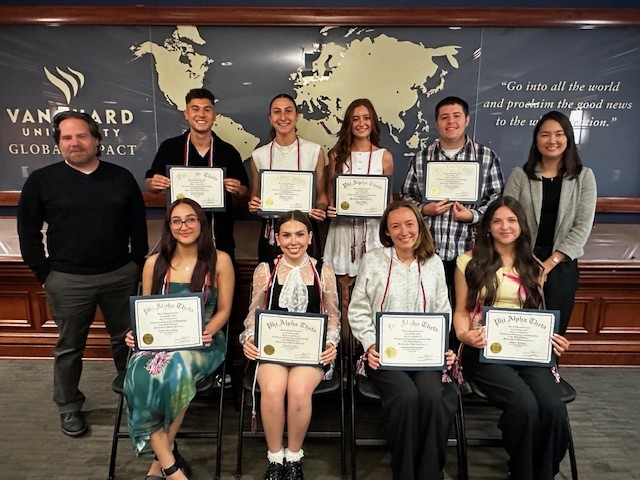
Discover the benefits of joining our prestigious community of historians, scholars, and students.

Meet the dedicated leadership team that guides Phi Alpha Theta's mission and strategic direction.
Your gift helps fund scholarships and research grants for history students
The Historian welcomes manuscripts submitted from throughout the world, and from all regional, temporal and thematic fields of history. Submissions should be of interest to a wide readership. Manuscripts that have been published elsewhere, that are being considered for publication elsewhere, or that present themselves as op-ed pieces, will not be considered.
Manuscripts should normally be between 6,000 and 8,000 words, exclusive of footnotes. They are to be double-spaced, with one-inch margins (right margin unjustified). Submissions are expected to meet the highest standards of academic quality, have an original point, be in dialogue with all the relevant literature, and either be based on new source material, or constitute an exhaustive and critical overview of the historiography of a particular topic. They need to be written in flawless English. Please Americanize the English—e.g., “labor” rather than “labour,” “defense” rather than “defence,” “analyze” instead of “analyse”—except if the word(s) in question are part of a quote or title. Citations must be accurate and precise, indicating the sources of the argumentation, and must conform to The Chicago Manual of Style, latest edition.
We only publish original articles and do not publish translations of essays published previously in another language.
The Historian recognizes the expanding use of artificial intelligence (AI) by authors for their research. It is important, however, for those who submit their work for review to distinguish between AI used for assistive versus generative purposes, as well as what authors must disclose.
“Assistive” AI refers to tools that make suggestions to improve one’s work, including grammar, spelling, and translating one’s words into English. Authors need not disclose the use of AI for such purposes.
“Generative” AI refers to tools—among them large language models (LLMs), machine learning, and similar programs—that rewrite large portions of one’s manuscript; that produce source material or images; or that affect the ideas or conclusions presented. According to the policy of Taylor and Francis, which publishes The Historian, “Authors must clearly acknowledge within [an] article…any use of Generative AI tools through a statement that includes: the full name of the tool used (with version number), how it was used and the reason for use.” For The Historian, that acknowledgement must appear in a footnote. It is important to note that The Historian strongly discourages the use of AI for generative purposes and may disqualify a submission on that rationale alone.
Should the editor discover that a work submitted used any generative AI tools without disclosure, they reserve the right to reject that work at any point during the process of publication.
Authors are strongly encouraged to review Taylor and Francis’ AI policy, which can be found here: https://taylorandfrancis.com/our-policies/ai-policy/.
If a submission complies with the above requirements, usually specialists in fields relevant to the topic and holding the doctoral degree are selected to review the submission anonymously. The substance of these reports will be relayed to the author by the editor. On the basis of reviewer reports, the editor decides whether to proceed with publishing.
If your manuscript complies with the above requirements, please send one copy, in MSWord, as an e-mail attachment to historianeditor@phialphatheta.org. The author’s name should be included on the title page only. Authors should also send a one-hundred-word summary abstract of the article and their e-mail address(es).
Evaluation of manuscripts generally requires four to six months. We encourage inclusion of photographs, maps, and other illustrative material, which must be provided in camera-ready form, with authorization from copyright holders for these materials’ reproduction in The Historian. Manuscripts are edited for organization, clarity, and consistency.
Authors with any questions about The Historian’s policies are encouraged to contact the editor at historianeditor@phialphatheta.org.
Prefer a copy to keep? Download the full policy.
Download Policy (.odt)